In today’s digital world, generating leads online is the lifeblood of any growing business. Whether you’re a startup or an established brand, mastering the art of attracting high-quality leads online can transform your sales pipeline and fuel sustainable growth.



Understanding Leads Online: The Foundation of Digital Growth

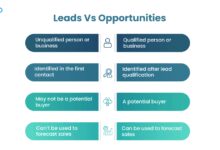
Before diving into strategies, it’s crucial to understand what ‘leads online’ truly means. A lead is any individual or organization that shows interest in your product or service by providing contact information—typically through a website form, social media interaction, or email subscription. In the digital space, these interactions happen across multiple platforms, making the process both dynamic and measurable.
What Exactly Are Leads Online?
Leads online refer to potential customers who engage with your brand through digital channels. Unlike traditional lead generation methods like cold calling or print ads, online leads are often self-identified—they raise their hands by downloading a guide, signing up for a webinar, or requesting a demo.
- They originate from websites, social media, search engines, and email campaigns.
- They are trackable, allowing businesses to measure conversion rates and ROI.
- They can be categorized as marketing-qualified leads (MQLs) or sales-qualified leads (SQLs) based on engagement level.
“The best leads aren’t found—they’re attracted.” — Seth Godin
Why Leads Online Are More Valuable Than Ever
The shift from offline to online has made lead generation faster, cheaper, and more scalable. With tools like Google Analytics and CRM systems, businesses can now trace a lead’s journey from first click to final sale.
- Lower cost per acquisition compared to traditional advertising.
- Higher intent: Online leads often search with specific needs in mind.
- Global reach: You’re no longer limited by geography.
According to HubSpot, companies that excel at lead generation grow 2.5x faster than their peers. This underscores the strategic importance of focusing on leads online as a core business function.
7 Powerful Strategies to Generate Leads Online
Generating high-quality leads online isn’t about luck—it’s about strategy. Below are seven proven methods that top-performing businesses use to consistently attract, convert, and nurture leads online.
1. Optimize Your Website for Lead Conversion
Your website is your digital storefront. If it’s not optimized to capture leads online, you’re leaving money on the table. A well-designed site guides visitors toward taking action—whether that’s filling out a form, subscribing to a newsletter, or scheduling a call.
- Use clear, compelling calls-to-action (CTAs) above the fold.
- Implement pop-ups or slide-ins strategically (e.g., exit-intent popups).
- Ensure mobile responsiveness—over 60% of web traffic comes from mobile devices.
For example, Optimizely helps businesses run A/B tests to determine which page layouts convert best. Small tweaks like changing button color or headline text can increase conversions by up to 30%.
2. Create High-Value Lead Magnets
A lead magnet is a free resource offered in exchange for contact information. The key is to provide real value—something your audience can’t easily find elsewhere.
- E-books and whitepapers for B2B audiences.
- Checklists, templates, or swipe files for practical use.
- Free trials or demos for SaaS companies.
According to Campaign Monitor, lead magnets can increase conversion rates by up to 50%. For instance, a real estate agency might offer a “First-Time Homebuyer’s Guide” to capture email addresses from prospective clients.
3. Leverage SEO to Attract Organic Leads Online
Search Engine Optimization (SEO) remains one of the most cost-effective ways to generate leads online. When people search for solutions you offer, you want your website to appear at the top of the results.
- Conduct keyword research using tools like Ahrefs or SEMrush.
- Create long-form, informative content that answers user intent.
- Optimize meta titles, descriptions, headers, and image alt texts.
Backlinks also play a crucial role. A study by Ahrefs found that pages with more backlinks tend to rank higher and generate more organic traffic—and thus, more leads online.
4. Run Targeted Paid Advertising Campaigns
While organic growth is ideal, paid ads can accelerate your lead generation efforts. Platforms like Google Ads, Facebook, and LinkedIn allow precise targeting based on demographics, interests, and behaviors.
- Google Search Ads target users actively searching for your product.
- Facebook Lead Ads simplify form-filling within the platform.
- LinkedIn Ads are ideal for B2B lead generation.
For example, a financial advisor targeting retirement planning clients can use LinkedIn to reach professionals aged 50+ with specific job titles. This laser-focused approach increases the quality of leads online.
5. Build an Email Marketing Funnel
Email marketing continues to deliver one of the highest ROIs—$42 for every $1 spent, according to the Data & Marketing Association. But success lies in building a funnel, not just sending random emails.
- Start with a welcome sequence for new subscribers.
- Segment your list based on behavior or demographics.
- Use automation to nurture leads with personalized content.
Tools like Mailchimp or Klaviyo make it easy to set up drip campaigns that guide leads through the buyer’s journey.
6. Utilize Social Media to Engage and Convert
Social media isn’t just for brand awareness—it’s a powerful lead generation channel. Platforms like Instagram, Facebook, and LinkedIn offer built-in tools to capture leads online without leaving the app.
- Use Instagram lead ads with pre-filled forms.
- Host live Q&A sessions to build trust and collect inquiries.
- Share user-generated content to boost credibility.
A fitness coach, for example, can run a Facebook challenge and collect sign-ups directly through a lead ad, instantly growing their email list with warm leads.
7. Host Webinars and Virtual Events
Webinars are one of the most effective ways to generate high-intent leads online. They position you as an expert while allowing direct interaction with your audience.
- Promote the event via email, social media, and paid ads.
- Require registration to collect attendee data.
- Follow up with a personalized email sequence post-event.
According to GoToWebinar, the average webinar conversion rate is 40%, far exceeding many other digital channels.
The Role of Content Marketing in Generating Leads Online
Content is the fuel that powers every lead generation strategy. Without valuable, relevant content, even the best-designed funnel will fail to convert.
How Content Attracts High-Quality Leads Online
People don’t buy products—they buy solutions to their problems. Content marketing addresses those problems before the sale, building trust and authority.
- Blog posts answer common questions and improve SEO.
- Videos explain complex topics in an engaging way.
- Case studies demonstrate real-world results.
For instance, a software company can publish a blog titled “10 Ways to Automate Your Sales Process,” attracting visitors actively looking for efficiency tools—perfect candidates for leads online.
Creating a Content Funnel for Lead Nurturing
A content funnel guides prospects from awareness to decision. Each stage requires different types of content:
- Awareness Stage: Blog posts, infographics, social media content.
- Consideration Stage: E-books, webinars, comparison guides.
- Decision Stage: Free trials, demos, testimonials.
By aligning content with the buyer’s journey, you increase the likelihood of converting casual visitors into qualified leads online.
Tools and Technologies to Capture Leads Online
Technology plays a pivotal role in scaling lead generation efforts. From CRM systems to landing page builders, the right tools can automate and optimize your process.
Essential Tools for Managing Leads Online
To effectively capture and manage leads online, businesses need a tech stack that integrates seamlessly.
- CRM Software: Salesforce, HubSpot, or Zoho CRM to track interactions.
- Landing Page Builders: Unbounce or Leadpages for high-converting pages.
- Form Builders: Typeform or JotForm for customizable lead capture forms.
HubSpot, for example, offers an all-in-one platform that combines marketing, sales, and service tools—making it easier to manage leads online from start to finish.
Automation: The Secret to Scaling Leads Online
Manual follow-ups don’t scale. Marketing automation allows you to send the right message to the right person at the right time.
- Automated email sequences nurture leads 24/7.
- Chatbots qualify leads on your website in real time.
- Lead scoring systems prioritize the hottest prospects.
According to Marketo, companies using marketing automation see a 451% increase in qualified leads. This is why automation is no longer optional—it’s essential for serious lead generation.
Measuring the Success of Your Leads Online Strategy
Generating leads online is only half the battle. You must also measure performance to optimize results over time.
Key Metrics to Track for Leads Online
To understand the effectiveness of your lead generation efforts, focus on these critical KPIs:
- Conversion Rate: Percentage of visitors who become leads.
- Cost Per Lead (CPL): How much you spend to acquire one lead.
- Lead-to-Customer Rate: How many leads turn into paying customers.
- Customer Acquisition Cost (CAC): Total cost to acquire a paying customer.
For example, if your landing page gets 10,000 visits and converts 500 leads, your conversion rate is 5%—a solid benchmark for most industries.
Using Analytics to Optimize Lead Generation
Data-driven decisions lead to better outcomes. Use analytics platforms to identify bottlenecks and opportunities.
- Google Analytics shows traffic sources and user behavior.
- Heatmaps (via Hotjar) reveal where users click, scroll, or drop off.
- UTM parameters track campaign performance across channels.
By continuously testing and refining your approach, you can steadily improve the quality and quantity of leads online.
Common Mistakes That Kill Leads Online Efforts
Even with the best strategies, many businesses fail to generate consistent leads online due to avoidable errors.
Poor Targeting and Audience Misalignment
One of the biggest mistakes is trying to appeal to everyone. Generic messaging fails to resonate with specific pain points.
- Solution: Create buyer personas to understand your ideal customer.
- Use market research and customer interviews to refine your targeting.
- Test different messaging for different segments.
Without clear targeting, your ads, content, and offers will underperform—no matter how polished they are.
Weak or Unclear Call-to-Action (CTA)
If visitors don’t know what to do next, they’ll leave. A vague CTA like “Learn More” is far less effective than “Get Your Free SEO Audit Now.”
- Use action-oriented language.
- Create urgency (e.g., “Limited Spots Available”).
- Make buttons stand out visually.
A/B testing CTAs can lead to significant improvements in conversion rates.
Ignoring Lead Nurturing After Capture
Only 2% of leads convert on first contact. The rest need nurturing through consistent communication.
- Send a welcome email immediately after sign-up.
- Provide value before pitching your product.
- Use drip campaigns to stay top-of-mind.
According to MarketingProfs, nurtured leads make 47% larger purchases than non-nurtured leads.
Future Trends Shaping Leads Online Generation
The landscape of leads online is evolving rapidly. Staying ahead requires awareness of emerging trends and technologies.
The Rise of AI and Predictive Lead Scoring
Artificial Intelligence is transforming how businesses identify and prioritize leads online. AI-powered tools analyze behavior, engagement, and demographics to predict which leads are most likely to convert.
- Tools like Salesforce Einstein use machine learning to score leads automatically.
- Chatbots use natural language processing to qualify leads in real time.
- AI-driven content personalization increases relevance and engagement.
Businesses that adopt AI early gain a competitive edge in lead conversion efficiency.
Voice Search and Visual Search Optimization
With the rise of smart speakers and image-based search, optimizing for voice and visual queries is becoming essential.
- Optimize for conversational keywords (e.g., “Where can I buy…?”).
- Use structured data to help search engines understand your content.
- Ensure product images are high-quality and tagged properly for Google Lens.
By 2025, over 50% of searches will be voice or image-based, according to ComScore—making this a critical area for future leads online.
Privacy-First Lead Generation in a Cookieless World
With third-party cookies being phased out, businesses must adapt to a privacy-first digital environment.
- Focus on first-party data collection through value exchanges.
- Build trust with transparent data policies.
- Invest in zero-party data (information customers willingly share).
Companies that prioritize consent and transparency will build stronger, more sustainable lead pipelines.
What are leads online?
Leads online are individuals or organizations that express interest in your product or service through digital channels, such as website forms, social media, or email sign-ups. They are typically captured by offering value in exchange for contact information.
How can I generate more leads online?
You can generate more leads online by optimizing your website, creating high-value lead magnets, leveraging SEO and paid ads, using email marketing, engaging on social media, hosting webinars, and using automation tools to nurture prospects.
What tools are best for managing leads online?
Top tools for managing leads online include CRM platforms like HubSpot and Salesforce, landing page builders like Unbounce, email marketing tools like Mailchimp, and analytics platforms like Google Analytics.
Why is lead nurturing important?
Lead nurturing is crucial because most leads don’t convert immediately. Consistent, value-driven communication builds trust and guides prospects through the buyer’s journey, increasing conversion rates and customer lifetime value.
How do I measure the success of my leads online strategy?
Measure success using key metrics like conversion rate, cost per lead, lead-to-customer rate, and customer acquisition cost. Use analytics tools to track performance and optimize your campaigns over time.
Generating leads online is not a one-time task—it’s an ongoing strategy that requires planning, execution, and optimization. From creating compelling content to leveraging cutting-edge tools, every element plays a role in attracting and converting high-quality prospects. By understanding your audience, using the right channels, and measuring your results, you can build a sustainable pipeline of leads online that drives real business growth. The future of lead generation is digital, data-driven, and customer-centric. Start implementing these strategies today to stay ahead of the curve.
Further Reading:
