Ever wondered what ‘leads meaning’ really is and why it’s the backbone of modern business growth? It’s more than just names and emails—it’s the lifeblood of sales and marketing. Let’s break it down in plain, powerful terms.
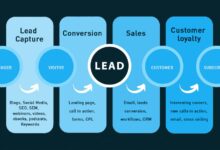



Leads Meaning: The Core Definition and Why It Matters

At its most basic, the leads meaning refers to individuals or organizations that have shown interest in your product or service. They are not yet customers, but they’ve taken a step—like filling out a form, subscribing to a newsletter, or downloading a guide—that signals potential.
What Exactly Is a Lead?
A lead is any person who has provided their contact information and expressed interest in what your business offers. This could be through a website form, social media interaction, event registration, or even a phone call.
- A lead is not a customer—yet.
- Leads are categorized based on their level of engagement.
- They are the starting point of the sales funnel.
“A lead is the first handshake between a brand and a potential buyer.” — HubSpot
Why Understanding Leads Meaning Is Crucial for Business
Without leads, there are no sales. Understanding the leads meaning helps businesses design better marketing strategies, improve customer targeting, and increase conversion rates. It’s the foundation of customer acquisition.
- Leads fuel the sales pipeline.
- They allow for personalized marketing.
- They help measure marketing ROI.
Types of Leads: From Cold to Hot
Not all leads are created equal. The leads meaning evolves depending on the lead’s readiness to buy. Businesses classify leads into different types to prioritize follow-up and allocate resources efficiently.
Cold Leads: The Starting Point
Cold leads are individuals who have shown minimal interest. They might have visited your website or signed up for a newsletter but haven’t engaged deeply.
- Low intent to purchase.
- Require nurturing through content and email campaigns.
- Often generated through broad marketing efforts like SEO or social media ads.
For example, someone who downloads a free eBook but doesn’t respond to follow-up emails is typically a cold lead. According to MarketingProfs, only about 10% of cold leads convert without proper nurturing.
Warm Leads: Showing Genuine Interest
Warm leads have interacted more meaningfully with your brand. They might have attended a webinar, requested a demo, or added a product to their cart.
- Higher engagement than cold leads.
- More likely to convert with targeted follow-up.
- Often captured through lead magnets like free trials or consultations.
These leads are in the consideration phase. They’re evaluating options and need the right information to move forward. As noted by Salesforce, warm leads are 5x more likely to convert than cold ones.
Hot Leads: Ready to Buy Now
Hot leads are actively seeking a solution and are close to making a purchase decision. They might have contacted sales directly, asked for pricing, or requested a contract.
- High purchase intent.
- Require immediate follow-up.
- Often generated through paid ads or referrals.
These leads are gold. A study by HubSpot found that hot leads respond to outreach within 5 minutes 8x more than those contacted after 30 minutes.
How Leads Are Generated: 5 Proven Methods
Understanding the leads meaning is only half the battle. The real challenge lies in generating high-quality leads consistently. Here are five of the most effective methods used by top-performing businesses.
Content Marketing and Lead Magnets
Offering valuable content in exchange for contact information is one of the most sustainable ways to generate leads. This includes eBooks, whitepapers, checklists, and templates.
- Builds trust and authority.
- Attracts leads organically through SEO.
- Can be automated using landing pages and email sequences.
For instance, a SaaS company might offer a free ‘Website Speed Optimization Checklist’ in exchange for an email address. This not only captures leads but also positions the brand as an expert.
Social Media Lead Generation
Platforms like LinkedIn, Facebook, and Instagram offer powerful tools for lead generation. From lead ads to direct messaging, social media allows businesses to reach prospects where they spend their time.
- LinkedIn is ideal for B2B lead generation.
- Facebook Lead Ads reduce friction by auto-filling forms.
- Instagram DMs can be used for personalized outreach.
According to Social Media Examiner, 73% of marketers say LinkedIn generates the most qualified leads for their business.
Email Marketing Campaigns
Email remains one of the highest ROI channels for lead nurturing. By sending targeted, value-driven emails, businesses can move leads down the funnel.
- Segmentation increases relevance and conversion.
- Drip campaigns automate follow-up.
- Personalization boosts open and click-through rates.
A well-crafted email sequence can turn a cold lead into a hot prospect. Research from Campaign Monitor shows that segmented email campaigns generate 30% more opens and 50% more clicks.
Leads Meaning in Sales Funnel Stages
The journey from lead to customer isn’t instant. It follows a structured path known as the sales funnel. Understanding how the leads meaning shifts across each stage is critical for effective conversion.
Awareness Stage: Capturing Attention
This is where leads first encounter your brand. They may not know they have a problem yet, or they’re just beginning to research solutions.
- Content focus: Blog posts, videos, infographics.
- Goal: Educate and attract.
- Lead type: Cold or unqualified.
For example, someone searching for ‘how to improve website loading speed’ might land on your blog. If they download a related guide, they become a lead.
Consideration Stage: Building Interest
At this point, the lead knows they have a problem and is evaluating different solutions. Your job is to position your offering as the best choice.
leads meaning – Leads meaning menjadi aspek penting yang dibahas di sini.
- Content focus: Case studies, comparison guides, webinars.
- Goal: Demonstrate value and build trust.
- Lead type: Warm, engaged.
A lead who attends your webinar on ’10 Tools to Boost Website Performance’ is showing deeper interest and should be nurtured with targeted follow-ups.
Decision Stage: Closing the Deal
This is the final stretch. The lead is ready to buy and is comparing final options. Your sales team must act fast and provide clear incentives.
- Content focus: Free trials, demos, pricing pages.
- Goal: Convert lead into customer.
- Lead type: Hot, sales-ready.
Offering a limited-time discount or a personalized demo can be the nudge a lead needs to commit.
Lead Qualification: How to Identify High-Value Prospects
Not every lead is worth pursuing. The leads meaning becomes actionable only when you can distinguish between a tire-kicker and a serious buyer. That’s where lead qualification comes in.
BANT Framework: Budget, Authority, Need, Timing
BANT is a classic model used to qualify leads. It helps sales teams assess whether a lead is ready to buy.
- Budget: Does the lead have the financial resources?
- Authority: Is the lead the decision-maker?
- Need: Does the lead have a clear problem your product solves?
- Timing: Is the lead planning to make a purchase soon?
For example, a small business owner looking to upgrade their CRM within the next 30 days, with a $2,000 budget and final say on the purchase, is a highly qualified lead.
CHAMP Model: Challenges, Authority, Money, Prioritization
CHAMP is a more modern approach that focuses on the lead’s pain points first.
- Challenges: What problems are they facing?
- Authority: Who controls the decision?
- Money: Is funding available?
- Prioritization: How urgent is the need?
This model is especially effective in consultative selling, where understanding the customer’s challenges is key to closing the deal.
Lead Scoring: Automating Qualification
Lead scoring assigns numerical values to leads based on their behavior and profile. This helps prioritize follow-up efforts.
- High score: Frequent website visits, demo requests, email opens.
- Low score: One-time visit, no engagement.
- Tools like HubSpot and Marketo automate this process.
A lead who visits your pricing page three times in a week and downloads a case study might score 85/100—making them a top priority for sales.
Leads Meaning in Digital Marketing: Tools and Technologies
In today’s digital world, managing leads effectively requires the right tools. The leads meaning is amplified when supported by technology that captures, tracks, and nurtures leads at scale.
CRM Systems: Centralizing Lead Data
Customer Relationship Management (CRM) platforms like Salesforce, HubSpot, and Zoho CRM are essential for organizing lead information.
- Store contact details, interaction history, and lead status.
- Enable automation of follow-up tasks.
- Integrate with email, social media, and advertising platforms.
According to Gartner, companies using CRM systems see a 36% increase in lead conversion rates.
Landing Page Builders: Converting Visitors into Leads
Landing pages are dedicated web pages designed to capture lead information. Tools like Unbounce, Leadpages, and Instapage make it easy to create high-converting pages.
- Minimize distractions to focus on the offer.
- Integrate with email marketing and CRM tools.
- Allow A/B testing to optimize performance.
A well-designed landing page can increase conversion rates by up to 200%, as reported by Crazy Egg.
Marketing Automation Platforms
Automation tools like Mailchimp, ActiveCampaign, and Pardot help nurture leads without manual effort.
- Send personalized emails based on user behavior.
- Trigger follow-ups when a lead downloads content.
- Track lead engagement across channels.
Businesses using marketing automation see a 451% increase in qualified leads, according to Marketo.
Common Mistakes in Lead Management and How to Avoid Them
Even with a solid grasp of the leads meaning, many businesses fail to convert leads due to avoidable errors. Recognizing these pitfalls can save time, money, and missed opportunities.
Ignoring Lead Nurturing
One of the biggest mistakes is treating all leads as ready to buy. Without nurturing, 80% of leads go cold within 48 hours.
- Solution: Implement email drip campaigns.
- Use content to educate and build trust.
- Personalize messages based on lead behavior.
As Forbes points out, nurtured leads make 47% larger purchases than non-nurtured ones.
Poor Follow-Up Timing
Speed matters. Research shows that leads contacted within 5 minutes are 21x more likely to convert.
- Solution: Use automation to send instant responses.
- Set up alerts for high-intent actions (e.g., demo request).
- Train sales teams to prioritize fast follow-up.
Delayed responses often result in lost opportunities, especially in competitive markets.
leads meaning – Leads meaning menjadi aspek penting yang dibahas di sini.
Overlooking Lead Source Analysis
Not all lead sources are equal. Failing to track where leads come from can lead to wasted ad spend and inefficient strategies.
- Solution: Use UTM parameters to track campaigns.
- Analyze conversion rates by source (organic, paid, social).
- Double down on high-performing channels.
For example, if LinkedIn generates 5x more conversions than Facebook, it makes sense to reallocate budget accordingly.
Future of Leads Meaning: Trends to Watch in 2024 and Beyond
The leads meaning is evolving with technology and consumer behavior. Staying ahead of trends ensures your lead generation strategies remain effective and competitive.
Rise of AI-Powered Lead Generation
Artificial Intelligence is transforming how leads are identified and engaged. Chatbots, predictive analytics, and AI-driven content personalization are becoming standard.
- AI chatbots qualify leads 24/7 on websites.
- Predictive scoring identifies high-conversion leads.
- AI tools like Drift and Conversica automate initial outreach.
According to McKinsey, AI can increase lead conversion rates by up to 50% through smarter targeting.
Privacy-First Lead Collection
With increasing data privacy regulations (GDPR, CCPA), businesses must collect leads ethically and transparently.
- Obtain explicit consent before collecting data.
- Be clear about how data will be used.
- Offer value in exchange for information.
Trust is now a key factor in lead conversion. A Edelman study found that 81% of consumers say trust is a deciding factor in their purchase decisions.
Hyper-Personalization and Behavioral Targeting
Generic messaging no longer works. Leads expect personalized experiences based on their behavior and preferences.
- Use browsing history to recommend relevant content.
- Send personalized subject lines and offers.
- Leverage dynamic website content.
Businesses using hyper-personalization see a 20% increase in sales, as reported by Boston Consulting Group.
What is the basic leads meaning?
The basic leads meaning is any person or organization that has shown interest in your product or service by providing contact information or engaging with your brand. They are potential customers in the early stages of the buying journey.
What are the different types of leads?
Leads are typically categorized as cold, warm, or hot based on their level of interest and readiness to buy. Cold leads have minimal engagement, warm leads have shown interest, and hot leads are ready to make a purchase.
How can I generate high-quality leads?
You can generate high-quality leads through content marketing, social media advertising, email campaigns, SEO, and lead magnets. Using CRM and automation tools also improves lead quality and conversion rates.
What is lead qualification and why is it important?
Lead qualification is the process of determining whether a lead is likely to become a customer. It’s important because it helps sales teams focus on high-value prospects, improving efficiency and conversion rates.
How is AI changing the leads meaning in 2024?
AI is enhancing lead generation by enabling predictive analytics, automated chatbots, and personalized outreach. It helps identify high-intent leads faster and improves engagement through intelligent automation.
Understanding the leads meaning is no longer optional—it’s essential for any business aiming to grow. From defining what a lead is to mastering generation, qualification, and nurturing, every step impacts your bottom line. With the right strategies and tools, you can turn interest into income. Stay ahead by embracing trends like AI, personalization, and ethical data use. The future of leads isn’t just about quantity—it’s about quality, relevance, and trust.
leads meaning – Leads meaning menjadi aspek penting yang dibahas di sini.
Further Reading:
