Ever wondered what a ‘leads definition’ really means in today’s fast-paced digital world? It’s more than just a contact form submission—it’s the heartbeat of every successful business. Let’s break it down with clarity and precision.
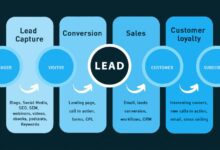



Leads Definition: The Core Concept Explained

Understanding the leads definition is the first step toward mastering customer acquisition. At its core, a lead is any individual or organization that has shown interest in your product or service. This interest can be expressed in various ways—filling out a form, subscribing to a newsletter, downloading a whitepaper, or even engaging with your content on social media.
What Exactly Is a Lead?
A lead is not yet a customer, but a potential one. The key differentiator between a random visitor and a lead is intent. When someone provides their contact information or performs an action indicating interest, they transition from being a passive observer to an active prospect.
- A lead may be as simple as an email address collected through a pop-up form.
- It could also be a business executive requesting a demo of your SaaS platform.
- Leads vary in quality—some are highly qualified, others are just exploring.
Why the Leads Definition Matters in Sales and Marketing
Without a clear leads definition, marketing and sales teams operate in silos. A standardized definition ensures alignment across departments. For example, marketing might generate 1,000 leads in a month, but if only 200 meet the sales team’s criteria, misalignment occurs.
“A lead is the starting point of the customer journey. Define it clearly, or risk wasting resources on unqualified prospects.” — HubSpot, What is a Lead?
Types of Leads: From Cold to Hot
Not all leads are created equal. The leads definition evolves based on the level of engagement and readiness to buy. Categorizing leads helps businesses prioritize efforts and allocate resources efficiently.
Information Qualified Leads (IQLs)
These are individuals seeking information. They might download a guide, watch a tutorial, or attend a webinar. Their intent is educational, not transactional.
- IQLs are in the awareness stage of the buyer’s journey.
- They require nurturing through content marketing and email sequences.
- Example: A small business owner downloading an eBook on digital marketing strategies.
Marketing Qualified Leads (MQLs)
MQLs have engaged with marketing efforts and shown behaviors that suggest they’re more likely to become customers. They’ve moved beyond passive interest.
- Actions include visiting pricing pages, clicking on CTAs, or engaging with multiple pieces of content.
- Marketing teams pass MQLs to sales when they meet predefined criteria.
- Example: A user who signed up for a free trial and completed onboarding.
Sales Qualified Leads (SQLs)
SQLs are leads that sales teams have accepted as ready for direct outreach. They’ve met specific qualification benchmarks, such as budget, authority, need, and timeline (BANT).
- SQLs often result from lead scoring models.
- They are typically contacted by sales reps for demos or consultations.
- Example: A company representative requesting a personalized demo of your CRM software.
Leads Definition in Different Industries
The interpretation of a leads definition can vary significantly across industries. What qualifies as a lead in real estate might differ from what counts in SaaS or e-commerce.
Leads in Real Estate
In real estate, a lead is often someone looking to buy, sell, or rent property. Leads can come from online listings, open houses, or referrals.
- Buyer leads: Individuals searching for homes in a specific area.
- Seller leads: Homeowners considering putting their property on the market.
- Rental leads: Tenants seeking new accommodations.
“In real estate, speed matters. 50% of leads are contacted by an agent within 5 minutes—those who respond faster convert at 7x the rate.” — National Association of Realtors
Leads in SaaS (Software as a Service)
SaaS companies rely heavily on digital lead generation. A lead here is typically someone who signs up for a free trial, requests a demo, or downloads a product guide.
- Product-qualified leads (PQLs) are users who have experienced the product’s value during a trial.
- Behavioral triggers (like feature usage) help identify high-intent leads.
- Example: A team lead inviting colleagues to collaborate on a project using your tool.
Leads in E-commerce
In e-commerce, a lead might be a visitor who abandons a cart, subscribes to a newsletter, or creates an account. These actions indicate purchase intent.
- Email capture is a primary lead generation tactic.
- Retargeting ads help re-engage cart abandoners.
- Example: A customer saving items to a wishlist without checking out.
How to Generate High-Quality Leads
Knowing the leads definition is only half the battle. The real challenge lies in generating leads that convert. Quality trumps quantity every time.
Content Marketing as a Lead Magnet
Valuable content attracts qualified leads. By offering solutions to real problems, businesses can capture contact information in exchange for insights.
- E-books, checklists, and templates are effective lead magnets.
- Blogs optimized for SEO drive organic traffic and lead capture.
- Example: A financial advisor offering a free retirement planning guide in exchange for an email.
Lead Generation Forms and CTAs
The design and placement of forms and call-to-action buttons significantly impact lead volume and quality.
leads definition – Leads definition menjadi aspek penting yang dibahas di sini.
- Keep forms short—ask only for essential information.
- Use compelling copy: “Get Your Free Guide” vs. “Submit”.
- Place CTAs above the fold and at natural content breakpoints.
Social Media and Paid Advertising
Paid campaigns on platforms like LinkedIn, Facebook, and Google Ads can generate targeted leads quickly.
- LinkedIn is ideal for B2B lead generation.
- Facebook lead ads allow users to submit information without leaving the platform.
- Google Search Ads capture high-intent leads searching for solutions.
Lead Scoring: Prioritizing Your Leads
With a solid leads definition in place, the next step is lead scoring—assigning values to leads based on their behavior and profile.
Demographic and Firmographic Scoring
This involves evaluating leads based on personal or company data such as job title, industry, company size, or location.
- A CTO at a tech startup is more likely to be interested in your DevOps tool than a student.
- Firmographic data helps segment leads for personalized outreach.
- Tools like ZoomInfo or Clearbit provide enriched lead data.
Behavioral Scoring
Behavioral scoring tracks actions taken by leads—website visits, email opens, content downloads, etc.
- Visiting the pricing page twice in one day signals high intent.
- Downloading a case study suggests deeper interest than a blog read.
- Marketing automation platforms like Marketo or HubSpot enable real-time scoring.
Implementing a Lead Scoring Model
A well-designed lead scoring model aligns marketing and sales teams and improves conversion rates.
- Define positive and negative scoring criteria (e.g., +10 for demo request, -5 for unsubscribing).
- Set thresholds for MQL and SQL handoff.
- Regularly review and refine the model based on conversion data.
Leads Definition and CRM Integration
Once leads are defined and scored, they must be managed effectively. Customer Relationship Management (CRM) systems are essential for tracking and nurturing leads.
Why CRM Systems Are Crucial
CRMs centralize lead data, automate follow-ups, and provide visibility into the sales pipeline.
- Sales teams can track lead interactions and set reminders.
- Marketing can analyze campaign performance and lead sources.
- Managers gain insights into conversion rates and team performance.
Top CRM Platforms for Lead Management
Several CRM platforms specialize in lead tracking and nurturing.
- Salesforce: Industry leader with robust lead management features. Learn more.
- HubSpot CRM: User-friendly and ideal for inbound marketing. Explore HubSpot.
- Zoho CRM: Affordable and scalable for small to mid-sized businesses.
Automating Lead Nurturing
Automation ensures no lead falls through the cracks. Drip email campaigns, task assignments, and lead routing can be automated.
- Send a welcome email series after form submission.
- Trigger a sales alert when a lead reaches a high score.
- Use chatbots to engage website visitors in real-time.
Common Mistakes in Defining and Managing Leads
Even experienced marketers make errors when defining and handling leads. Avoiding these pitfalls can significantly improve conversion rates.
Overlooking Lead Quality
Focusing solely on lead volume can lead to wasted effort. A thousand unqualified leads are less valuable than ten sales-ready ones.
- Prioritize lead quality through clear qualification criteria.
- Use lead scoring to filter out low-intent prospects.
- Align marketing KPIs with sales outcomes, not just form fills.
Poor Communication Between Teams
When marketing and sales disagree on the leads definition, friction arises. Sales may reject leads they deem unqualified.
- Establish a Service Level Agreement (SLA) between teams.
- Hold regular alignment meetings to review lead performance.
- Use shared dashboards for transparency.
Ignoring Lead Follow-Up
Timing is critical. Studies show that leads contacted within 5 minutes are 21 times more likely to convert.
- Implement instant notifications for new leads.
- Use automated responses to acknowledge submissions.
- Train sales reps on rapid outreach protocols.
Future Trends in Lead Generation and Definition
The leads definition is evolving with technology. AI, predictive analytics, and privacy regulations are reshaping how leads are identified and managed.
AI-Powered Lead Scoring and Prediction
Artificial intelligence can analyze vast datasets to predict which leads are most likely to convert.
leads definition – Leads definition menjadi aspek penting yang dibahas di sini.
- AI models learn from historical conversion data to score new leads.
- Tools like Infer and Lattice Engines offer predictive lead scoring.
- Reduces human bias in lead qualification.
Privacy-First Lead Generation
With GDPR, CCPA, and cookie deprecation, businesses must adapt their lead strategies.
- Zero-party data (information willingly shared by users) is becoming more valuable.
- Transparency in data collection builds trust.
- Contextual advertising replaces behavioral tracking in a cookieless world.
The Rise of Conversational Marketing
Live chat, chatbots, and messaging apps are transforming lead engagement.
- Visitors can get instant answers, increasing conversion chances.
- Conversational AI qualifies leads in real-time.
- Example: Drift and Intercom enable proactive lead engagement.
What is the basic leads definition?
A leads definition refers to the criteria used to identify and classify individuals or organizations that have shown interest in a product or service. This interest is typically demonstrated through actions like form submissions, content downloads, or direct inquiries.
What’s the difference between an MQL and an SQL?
A Marketing Qualified Lead (MQL) has engaged with marketing content and shown potential interest, while a Sales Qualified Lead (SQL) has been vetted by the sales team and is ready for direct outreach based on predefined qualification criteria.
How do you qualify a lead effectively?
Effective lead qualification involves assessing both demographic/firmographic data and behavioral signals. Using a lead scoring model that combines these factors helps determine which leads are most likely to convert.
Why is lead scoring important?
Lead scoring prioritizes leads based on their likelihood to convert, ensuring that sales teams focus on high-potential prospects. It improves efficiency, shortens sales cycles, and increases conversion rates.
Can AI replace human lead qualification?
While AI enhances lead qualification through predictive analytics and automation, human judgment remains crucial. AI supports decision-making but cannot fully replace the nuanced understanding of customer needs and context.
Understanding the leads definition is not just a technical exercise—it’s a strategic imperative. From identifying the first signs of interest to nurturing and converting prospects, every stage relies on a clear, shared understanding of what constitutes a lead. As industries evolve and technology advances, so too must our approach to defining and managing leads. By embracing quality over quantity, aligning teams, and leveraging automation and AI, businesses can build sustainable growth engines powered by well-defined, high-intent leads.
leads definition – Leads definition menjadi aspek penting yang dibahas di sini.
Further Reading:
